
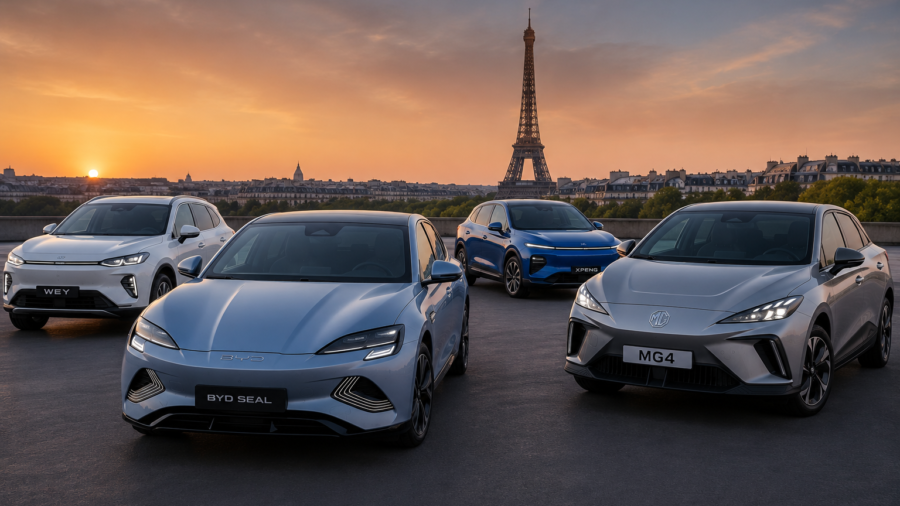
Chinese car brands are becoming harder to ignore in Europe.
A few years ago, many European drivers may have seen Chinese automakers as distant names with little impact on their next car purchase. That is changing. More Chinese-owned or Chinese-built models are appearing in showrooms, EV comparisons, leasing deals and online car searches.
This does not mean Europe’s established carmakers are suddenly disappearing. Brands from Germany, France, Italy, Sweden and the United Kingdom still have deep customer trust, strong dealer networks and decades of brand history.
But the market is shifting.
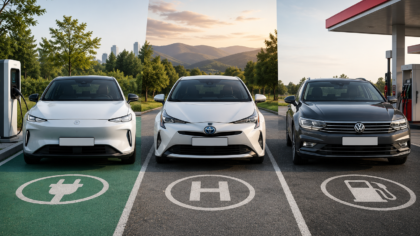
Chinese automakers are arriving with electric vehicles, plug-in hybrids, competitive pricing, modern screens and ambitious expansion plans. For ordinary drivers, the question is no longer whether these brands exist. It is whether they are worth considering.
Why Chinese Car Brands Are Getting More Attention
The biggest reason is simple: value.
Many drivers want newer technology, better efficiency and more equipment without paying luxury-level prices. Chinese carmakers have been trying to meet that demand with electric and hybrid models that often look competitive on price and features.
This matters because the European car market is under pressure.
Electric cars are growing, but many buyers still worry about cost. Hybrids are getting renewed attention. Charging access remains uneven. Drivers want cleaner options, but they also want practical cars they can actually afford.
Chinese brands see an opportunity in that gap.
They are not only selling small budget cars. Many are offering SUVs, crossovers, plug-in hybrids and EVs with large screens, driver-assistance features, long equipment lists and modern styling.
For shoppers comparing monthly payments and standard features, that can be persuasive.
EVs Are Opening the Door
Electric vehicles have made it easier for newer brands to enter the conversation.
In the petrol and diesel era, traditional automakers had a huge advantage built on engine reputation, driving feel and long-term trust. Those things still matter, but EVs changed part of the buying decision.
An electric car is often judged by battery range, charging speed, software, comfort, warranty, price and efficiency. That gives newer brands a chance to compete differently.
Chinese automakers have invested heavily in batteries, EV platforms and manufacturing scale. Some have experience from the world’s largest EV market, where competition is intense and model cycles move quickly.
That experience can help them bring models to Europe that feel modern and feature-rich.
For European buyers, this means more choice. It also means more homework.
A car may look attractive on paper, but buyers still need to check safety ratings, dealer support, service access, software quality, warranty terms and real-world owner feedback.
Price Is Important, but It Is Not the Whole Story
It is easy to explain the rise of Chinese car brands only through price.
Price matters, but it is not the only factor.
Many drivers also care about standard equipment. If one car includes features that cost extra on another, the cheaper headline price is only part of the comparison. Touchscreens, cameras, heated seats, driver-assistance systems, fast charging and warranty coverage can all affect perceived value.
Design has also improved.
Some Chinese models now look much more polished than older stereotypes suggested. Interiors can feel modern, with large screens and clean layouts. For buyers who are less attached to traditional brand badges, this can make the decision more open.
That said, value is not only about how much equipment a car has on day one.
Long-term reliability, parts availability, resale value, software updates and dealer service are just as important. This is where newer brands still need to build trust in Europe.
Local Production Could Change the Perception
One of the biggest questions for Chinese car brands in Europe is where the vehicles are built.
Importing cars from China can work, but local production may become more important because of tariffs, supply chains, delivery times and customer confidence. Building or assembling cars in Europe can also help brands look less like temporary outsiders and more like long-term market players.
Several Chinese automakers have been exploring or announcing European production plans, partnerships or factory projects. This matters because manufacturing presence can support jobs, logistics, parts supply and political acceptance.
For drivers, local production may not be the first thing they think about when choosing a car. But it can affect availability, pricing and confidence over time.
A brand with European production, service networks and parts support may feel less risky than one that appears suddenly with limited backup.
European Automakers Are Under Pressure
The rise of Chinese car brands puts pressure on established European automakers.
This pressure is not only about selling cheaper cars. It is about speed.
Chinese automakers often move quickly with new models, software features and EV technology. European brands, especially traditional manufacturers with complex structures, can sometimes move more slowly.
That creates a competitive challenge.
European automakers need to keep their strengths: quality, safety, driving experience, brand trust and dealer support. But they also need to compete on software, battery value, affordability and update speed.
For drivers, competition can be good. It may push brands to offer better equipment, sharper pricing and faster innovation.
For the industry, it creates tension. Governments and automakers are concerned about trade, tariffs, local jobs and fair competition.
This is why Chinese car expansion in Europe is not just a consumer story. It is also an industry and policy story.
What Drivers Should Check Before Buying
Drivers considering a Chinese-branded or Chinese-built car should compare it like any other vehicle.
Start with safety. Check official safety ratings where available and look at the car’s driver-assistance features carefully. More technology does not automatically mean better safety if the systems are confusing or too intrusive.
Then check service support. Is there a dealer or service center nearby? Are parts available? How long is the warranty? What does the warranty actually cover?
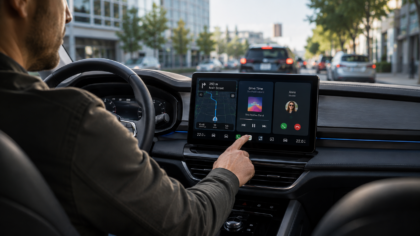
Software matters too. Does the infotainment system feel smooth? Are updates promised? Does the car support the phone system you use? Are important controls easy to access while driving?
For EVs, look closely at charging. What is the real-world range? How fast does it charge? Does the car plan charging stops well? Is the charging port convenient for the networks you use?
Finally, think about resale value. Newer brands may offer strong value upfront, but resale confidence can take time to develop.
The best deal is not always the cheapest monthly payment. It is the car that still feels reliable, supported and useful years later.
Why Some Buyers Are Still Cautious
Many drivers are open to new brands, but caution is understandable.
A car is not like a phone or a small gadget. It is expensive, safety-critical and expected to last for years. Buyers want to know that the company will stay in the market, support the vehicle and maintain a reliable service network.
Brand trust takes time.
European automakers have built relationships with customers over generations. Chinese brands entering Europe need to prove themselves not only with attractive launches, but with long-term ownership experience.
That includes repairs, spare parts, software updates, customer service and clear communication.
If newer brands get those things right, they can win repeat buyers. If they do not, strong early interest may fade.
What This Means for the Future of the Car Market
The European car market is likely to become more competitive.
Chinese brands will keep trying to grow. European brands will respond. EV prices may become more aggressive. Hybrid and plug-in hybrid choices may expand. Software and infotainment will become more important in purchase decisions.
This could create a better market for drivers, but also a more confusing one.
There will be more brands, more powertrain options and more feature comparisons. Shoppers will need to look beyond badge reputation and beyond headline price.
The best approach is practical: compare the full ownership experience.
That means price, range, safety, warranty, service network, software, charging, comfort and resale value.
Final Takeaway
Chinese car brands are becoming harder to ignore in Europe because they are entering the market at the exact moment drivers are rethinking what they want from a car.
EVs, hybrids, software, charging, price and standard equipment now matter more than ever. Chinese automakers are trying to compete strongly in those areas, while established European brands are working to protect their advantages.
For drivers, the result is more choice.
That is good, but it also requires careful comparison. A new brand may offer impressive value, but buyers should still check safety ratings, service support, warranty terms, software quality and long-term ownership confidence.
Chinese car brands are not just a passing curiosity anymore. They are becoming part of the European car conversation — and that conversation is likely to get louder.

Comments
You can write your views about this story. Comments may be moderated according to site settings.