
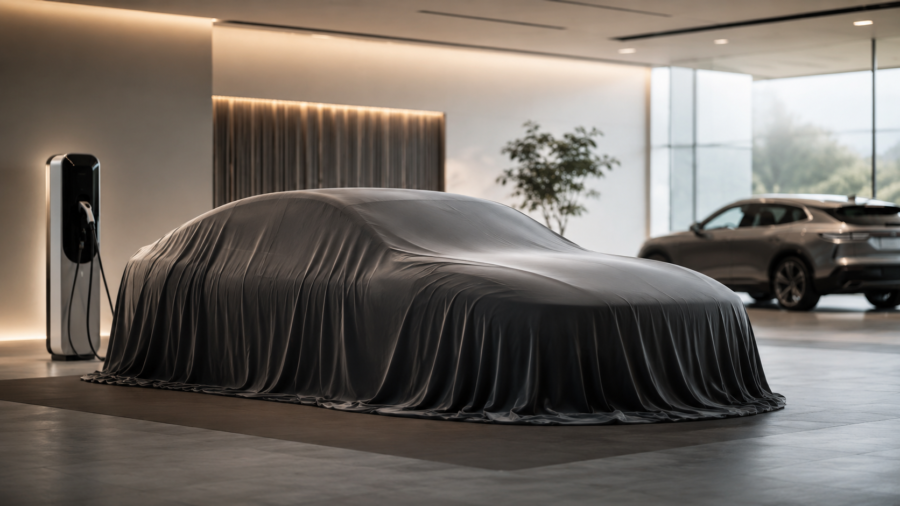
The electric car market is not moving in one straight line anymore.
A few years ago, many automakers seemed ready to rush into fully electric lineups. Luxury brands showed sleek EV concepts, promised new battery platforms and talked about a future where premium cars would quickly move away from gasoline engines.
Now that future looks more complicated.
Toyota has reportedly canceled plans to bring the Lexus LF-ZC electric sedan concept to production. AutoWeek described the LF-ZC as a planned next-generation Lexus EV flagship, while Car and Driver reported that the concept was expected to become a production model before being shelved.
The decision does not mean Toyota or Lexus is giving up on electric cars. But it does show something important: the luxury EV market is being rethought. Automakers are becoming more careful about which electric models they build, how expensive they are and whether buyers are ready for them.
What was the Lexus LF-ZC?
The Lexus LF-ZC was a futuristic electric sedan concept first shown as part of Lexus’s next-generation EV vision.
It was not meant to be just another electric car. The LF-ZC was supposed to represent a new direction for Lexus, with advanced battery technology, a sleek sedan shape and modern manufacturing ideas. It was expected to help show how Lexus could compete in the premium EV market.
For a luxury brand, that kind of car matters. It is not only about sales volume. A flagship EV can act as a symbol. It tells buyers, investors and competitors what the brand wants to become.
That is why the reported cancellation is notable. When a company cancels a low-volume concept, it may not matter much. But when it cancels a future-looking flagship, it suggests a deeper strategy shift.
Why cancel a major EV project?
The most likely answer is not one single problem.
Luxury EVs are expensive to develop. They need dedicated platforms, battery systems, software, manufacturing changes and supply chain planning. If demand looks uncertain, automakers may decide that the investment is too risky.
AutoWeek reported that Toyota’s decision followed a broader review and came as EV demand softened in some markets. Car and Driver also linked the cancellation to changing demand and logistical challenges around planning and manufacturing.
This fits a wider pattern in the auto industry. Many automakers are still investing in EVs, but some are slowing timelines, delaying launches or giving hybrids a bigger role.
The key point is that the EV transition is still happening, but it is becoming less aggressive and more flexible.
Luxury EV buyers are harder to predict
Luxury electric cars face a specific challenge.
Premium buyers often expect long range, fast charging, high performance, quiet cabins, strong brand image and excellent software. They also expect the car to feel better than a cheaper EV, not just more expensive.
That is difficult to deliver.
At the same time, the luxury EV market is crowded. Tesla, Mercedes-Benz, BMW, Porsche, Audi, Lucid, Genesis and Chinese premium EV brands are all competing for attention. A new Lexus EV sedan would need to stand out clearly.
Sedans also face another problem: many buyers prefer SUVs and crossovers. Even in the EV market, larger body styles often attract more family and premium buyers.
That may make a futuristic electric sedan harder to justify than an electric SUV or a flexible platform that can support several vehicle types.
Why Toyota’s hybrid strategy still matters
Toyota has long been more cautious than some rivals about going fully electric.
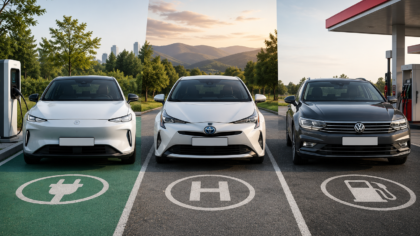
The company became famous for hybrids, especially with the Prius, and it has often argued that different markets need different powertrain options. That includes hybrids, plug-in hybrids, battery EVs and in some cases hydrogen technology.
Critics have said Toyota moved too slowly on fully electric cars. Supporters argue that Toyota’s hybrid-heavy strategy looks practical in markets where charging infrastructure, EV incentives or buyer demand remain uncertain.
The LF-ZC cancellation may strengthen that second argument.
If luxury EV demand is uneven, a company with strong hybrid technology has more flexibility. It can continue selling efficient hybrids while preparing EVs more carefully.
That does not mean hybrids are the final answer. But in the current market, they may be an important bridge.
EV demand is not the same everywhere
One reason automakers are changing plans is that EV demand looks very different by region.
Reuters reported that global EV demand rose for a second month in April, but the market is uneven. Growth can be strong in some regions while slowing or becoming more uncertain in others.
China remains a major EV growth market, with intense competition and lower-cost models. Europe has strong EV policies but also pricing and infrastructure challenges. The U.S. market has seen mixed signals, especially as incentives and policy support shift.
For global automakers, this creates a difficult planning problem.
A car that makes sense in one region may not work in another. A luxury electric sedan may appeal to some buyers, but not enough to justify global production if demand is uncertain.
That is why flexible platforms are becoming more attractive. Automakers want vehicles that can adapt to different markets and powertrain needs.
This is not the end of Lexus EVs
It is important not to overread the decision.
Lexus is not abandoning electric cars. Car and Driver noted that Lexus has introduced the electric TZ, a three-row SUV built on a more cost-efficient Toyota platform. The company has also continued talking about next-generation battery EV development.
The message is not “no EVs.”
The message is “more selective EVs.”
Lexus may focus on electric models that have clearer buyer demand, better cost structure or more practical body styles. That could mean SUVs, crossovers or vehicles using shared platforms instead of expensive flagship sedans.
This is a common strategy when a market becomes harder to predict. Companies reduce risky bets and focus on models more likely to sell.
What this means for car buyers
For ordinary buyers, the Lexus LF-ZC cancellation shows why it may be smart to avoid assuming every concept car will become real.
Automakers often show concept vehicles to preview technology, design language or future ideas. But production decisions depend on cost, demand, regulation, manufacturing and timing.
The EV market is still developing. Charging networks are improving, battery technology is advancing and more models are arriving. But the pace will not be the same for every brand or every vehicle type.
Buyers may see more hybrids and plug-in hybrids in the near term, especially from brands that want flexibility. They may also see fewer expensive EV sedans and more electric SUVs, crossovers and practical family vehicles.
That does not mean EVs are failing. It means the market is maturing.
Why this matters for the auto industry
The auto industry is entering a more realistic phase of electrification.
The first phase was excitement. Automakers announced ambitious EV targets and showed futuristic concepts.
The second phase is harder: building cars people will actually buy at prices companies can profit from.
That is where many EV plans are being tested. Battery costs, charging access, incentives, interest rates, competition from China and changing consumer preferences all affect the outcome.
Luxury automakers have to be especially careful because premium EVs require high expectations and high margins.
If a flagship EV cannot make a strong business case, canceling it may be painful but practical.
The bigger takeaway
Lexus canceling the LF-ZC EV does not mean the electric car future is over.
It means the future is becoming more selective.
Automakers are no longer racing to turn every bold EV concept into a production car. They are looking more closely at demand, cost, body style, platform flexibility and regional market differences.
For Lexus and Toyota, that may mean fewer risky electric flagships and more practical electrified vehicles, including hybrids and shared-platform EVs.
For buyers, it means the next few years may bring a more mixed market: some fully electric cars, more hybrids, more plug-in hybrids and more cautious product planning.
The EV transition is still moving. It is just becoming less simple than it looked a few years ago.


Comments
You can write your views about this story. Comments may be moderated according to site settings.