
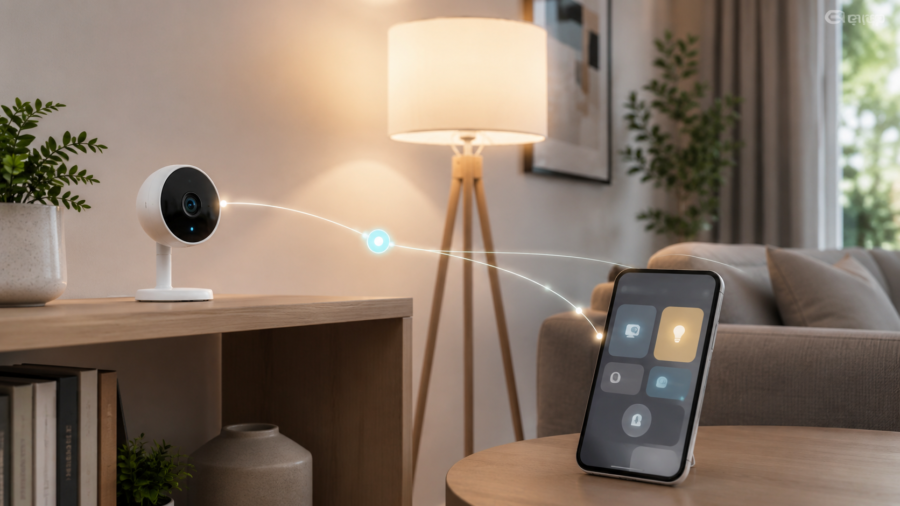
Google’s Gemini for Home updates show how smart home assistants are moving from simple commands toward faster, more natural household control.
Source context: This article is based on public reporting and official information from the source used during editorial preparation.
Speed is the practical feature
Smart home assistants become useful when everyday commands work quickly and reliably. Turning on lights, setting timers and adjusting thermostats should feel easier than doing the task manually.
Latency improvements may matter more to ordinary users than dramatic AI demos.
Natural language changes control
People do not always speak in exact device names and commands. A more natural assistant can understand combined requests and casual phrasing, making routines easier to use.
This could make smart homes feel less like app management and more like asking for a result.
Privacy still matters
A household assistant can become more useful with context, but homes are private spaces. Users need clear settings, family controls and transparency about what information is saved.
The future of smart home AI will depend on whether assistants can be helpful without feeling intrusive.



Comments
You can write your views about this story. Comments may be moderated according to site settings.