
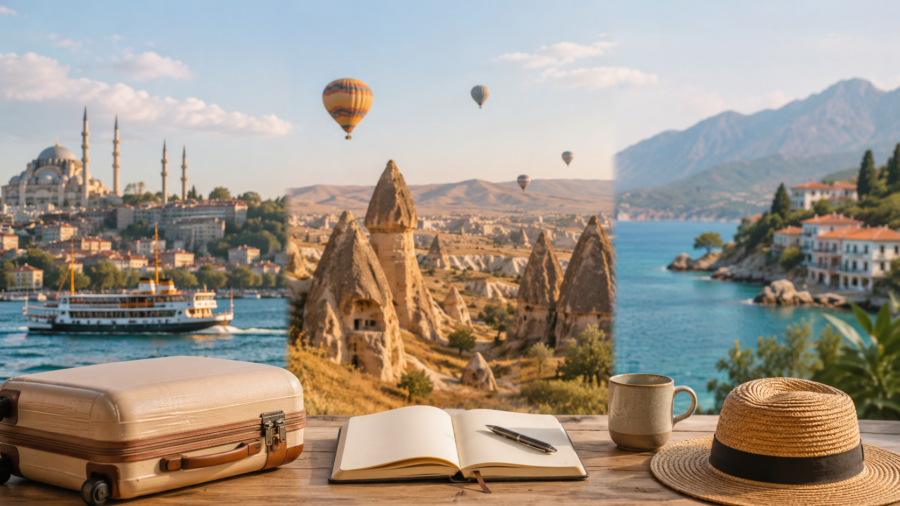
Turkey is easy to rush.
Many first-time visitors open a map and quickly add Istanbul, Cappadocia, Ephesus, Pamukkale, Antalya, Bodrum, Fethiye and maybe even more stops into one short holiday. On paper, it looks exciting. In real life, it can become exhausting.
That is why more travellers are starting to plan slower Turkey trips in 2026.
Instead of trying to see everything in one week, visitors are choosing fewer hotel changes, longer stays in key places and more balanced routes that combine culture with time on the coast.
TravelStore Turkey’s 2026 travel trend analysis describes this shift clearly: travellers are moving toward quality over quantity, 9 to 14-day itineraries, stronger local guidance and coastal extensions after major cultural stops.
The idea is simple. Turkey is better when you give it enough time.
What slower travel means in Turkey
Slower travel does not mean doing nothing.
It means planning a trip with enough space to enjoy each destination properly. Instead of changing hotels every night or spending half the holiday in airports and transfers, travellers choose fewer stops and stay longer in each place.
In Turkey, this matters because the country is large and varied. Istanbul feels completely different from Cappadocia. Cappadocia feels completely different from Antalya or Bodrum. The Aegean coast is not the same as the Mediterranean coast.
A slower Turkey trip might include three or four nights in Istanbul, three nights in Cappadocia and four or five nights on the coast. That kind of pacing gives visitors time to walk, eat, explore and rest.
It also reduces the pressure to treat every day like a checklist.
Why travellers are moving away from rushed itineraries
Rushed itineraries look good online, but they often feel stressful in practice.
Turkey has strong domestic flights, buses and roads, but transfers still take time. Getting from hotel to airport, waiting for flights, collecting luggage and checking into the next hotel can eat up a full day.
Many travellers now understand that seeing more places does not always mean having a better trip.
A one-week itinerary that includes Istanbul, Cappadocia, Ephesus, Pamukkale and Antalya may sound impressive. But it can leave very little time to actually enjoy any of those places.
Slower planning fixes that problem.
It gives Istanbul enough time for more than one historic sightseeing day. It gives Cappadocia more than one chance for a sunrise balloon experience. It gives the coast enough time to feel like a holiday, not only a final photo stop.
Why 9 to 14 days is becoming the sweet spot
For first-time visitors, 9 to 14 days is often the best length for Turkey.
Seven days can work, but only with a simple route. Istanbul plus Cappadocia works in one week. Istanbul plus Antalya also works. But Istanbul, Cappadocia and the coast usually need more time.
TravelStore Turkey notes that many visitors are choosing more realistic 9 to 14-day itineraries instead of packing too many destinations into a single week.
This length allows a more balanced route:
Three nights in Istanbul
Two or three nights in Cappadocia
Four or five nights on the coast
Optional extra time for Ephesus, Pamukkale, Kaş, Fethiye or Bodrum
That kind of structure gives the trip variety without making it feel overloaded.
Istanbul deserves more than a quick stop
Istanbul is often the first place international travellers arrive, but many itineraries do not give it enough time.
The city is too large and layered for one rushed day. It has historic landmarks, ferry routes, markets, food streets, modern neighbourhoods, museums, mosques, waterfront districts and nightlife.
A slower Istanbul stay gives visitors time to see the famous sights without missing the city’s everyday rhythm.
One day can cover Hagia Sophia, the Blue Mosque and the Basilica Cistern. Another day can include Topkapı Palace, the Grand Bazaar, the Spice Bazaar or a Bosphorus ferry. A third day can be used for Galata, Karaköy, Kadıköy, Beşiktaş or a slower neighbourhood walk.
That extra time changes the city from a sightseeing stop into a real experience.
Cappadocia is better with flexibility
Cappadocia is another place that rewards slower planning.
Many visitors go for hot air balloons, but balloon flights depend on weather. If a traveller stays only one night and the flight is cancelled, the whole visit can feel disappointing.
A two or three-night stay gives more flexibility. It also gives time for valleys, cave hotels, underground cities, sunset viewpoints and Göreme Open-Air Museum.
The Times notes that Cappadocia balloon flights are weather dependent and that longer stays increase the chance of a successful ride. It also highlights the region’s underground cities, valley hikes and cultural sites beyond ballooning.
That is exactly why Cappadocia works better as part of a slower trip.
Why coastal extensions are becoming popular
After several days of city walking and inland sightseeing, many travellers want to slow down by the sea.
This is where coastal extensions come in.
TravelStore Turkey identifies coastal extensions as a major 2026 trend, with travellers adding Bodrum, Fethiye, Marmaris or Antalya after cultural touring.
This makes sense. Turkey’s coast gives the trip a completely different mood.
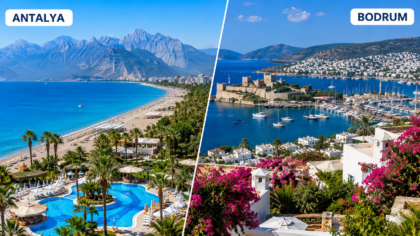
Antalya is good for resorts, all-inclusive hotels and family holidays. Bodrum is better for marinas, restaurants, nightlife and boutique coastal stays. Fethiye and Ölüdeniz offer scenery, boat trips and outdoor activities. Kaş and Kalkan feel smaller and more independent.
A coastal ending also helps the trip feel less tiring. Instead of flying home immediately after several busy sightseeing days, travellers finish with swimming, sunsets and slower mornings.
Why slow travel can be better value
Slower travel can sometimes cost less than rushing.
Too many hotel changes can add transfer costs, domestic flights, luggage fees and wasted time. A slower route may reduce transport costs and make each hotel stay more useful.
It can also help travellers choose better accommodation. Staying four nights in one place may open better rates than constantly booking one-night stops.
More importantly, slower travel often gives better value from the experience itself.
If you spend money getting to Cappadocia, it makes sense to stay long enough to enjoy it. If you choose Antalya or Bodrum, it makes sense to have enough time to relax instead of treating the coast as a final overnight stop.
Value is not only about the cheapest price. It is about whether the trip feels worth the effort.
How digital planning is changing Turkey trips
Travellers are also planning differently.
Simon-Kucher’s analysis of Turkey’s 2026 travel moment says travellers choosing Turkey are increasingly younger, digitally native and experience-driven, with many using AI tools and online planning resources more actively.
That changes how people build itineraries.
Instead of relying only on traditional package routes, travellers compare hotels, transfers, domestic flights, restaurants, tours and neighbourhoods online. They ask whether a trip is too rushed. They compare Antalya with Bodrum, Istanbul with the Riviera and Cappadocia with other inland stops.
This can lead to better trips, but it can also create information overload.
The best digital planning still needs a simple rule: choose fewer places and understand why each one is in the itinerary.
What a slower 10-day Turkey trip looks like
A good slower 10-day Turkey trip might look like this:
Days 1–3: Istanbul
Days 4–6: Cappadocia
Days 7–10: Antalya, Bodrum or Fethiye
This is simple, balanced and realistic.
Istanbul gives the cultural start. Cappadocia gives the landscape and inland experience. The coast gives the relaxing finish.
It also avoids the common mistake of adding Ephesus and Pamukkale into a route that is already full.
If ancient sites are a priority, travellers can add Ephesus on a 12 to 14-day route. If beach time is the priority, they can skip extra inland stops and spend longer on the coast.
What a slower 14-day Turkey trip looks like
A slower 14-day route gives more room.
Days 1–4: Istanbul
Days 5–7: Cappadocia
Days 8–9: Ephesus or Şirince
Days 10–14: Bodrum, Fethiye, Antalya or Kaş
This route gives travellers culture, landscapes, history and the sea without changing hotels every day.
Another option is to skip Ephesus and spend more time on the coast. That may be better for families or travellers who want a more relaxing trip.
The best version depends on travel style, not on how many famous names can fit into the plan.
Who should plan a slower Turkey trip
Slower Turkey trips are best for first-time visitors, couples, families, older travellers, long-haul visitors and anyone who wants a trip to feel memorable rather than rushed.
They are especially useful for travellers coming from the US, Canada, Australia or other long-haul markets. If the flight to Turkey is already long, it makes sense to stay long enough to enjoy the country properly.
Families also benefit from slower pacing because children need downtime. A trip with too many transfers can become tiring quickly.
Couples may also prefer slower travel because it leaves more time for restaurants, sunsets, boutique hotels and relaxed mornings.
When a fast Turkey trip still makes sense
Not every trip needs to be slow.
A fast trip can work if the goal is clear. A four-day Istanbul city break can be excellent. A one-week Antalya all-inclusive holiday can be simple and relaxing. A short Cappadocia trip can work if ballooning is not the only reason for visiting.
The problem is not short travel. The problem is overloaded travel.
A short trip with one or two destinations can be great. A short trip with five destinations is usually the mistake.
Common slow travel mistakes to avoid
Slow travel does not mean poor planning.
Travellers should still book key hotels, transfers and flights carefully. Cappadocia balloon flights may need advance booking in busy seasons. Coastal hotels can fill up during peak summer. Domestic flight times can affect the route.
Another mistake is choosing a coast without understanding the difference between resort areas.
Antalya, Bodrum, Fethiye, Kaş and Marmaris all feel different. The right choice depends on whether the traveller wants all-inclusive comfort, nightlife, scenery, boat trips or a quieter stay.
Slow travel works best when the plan is simple but intentional.
The bigger takeaway
More travellers are planning slower Turkey trips in 2026 because Turkey is too rich to enjoy as a rushed checklist.
Istanbul needs time. Cappadocia needs flexibility. The coast deserves more than a final overnight stop.
A slower trip usually means fewer hotel changes, better pacing, more meaningful experiences and a more relaxing finish by the sea.
For most first-time visitors, the best Turkey route is not the longest list of destinations. It is a balanced plan with enough time to enjoy each place.
That is why slower Turkey travel makes sense in 2026. It turns the trip from a race across the map into a holiday that actually feels like one.


Comments
You can write your views about this story. Comments may be moderated according to site settings.